Horror has been ingrained within Filipino culture in the form of myths and legends. In this modern age, many of these tales have been adapted into different forms of art and media. One of the most popular adaptations it takes on nowadays is film. If you’re a Filipino, you’ve surely watched at least one of the many films of the Shake, Rattle, & Roll Filipino Horror anthology which referenced many monsters of Philippine mythology, such as the Manananggal, Aswang, Engkanto, etc.. Local audiences flock to cinemas for the ancient thrill of a haunting narrative.
But have you ever noticed that many of these iconic Filipino monsters are women? Whether in legend or in film, there’s an existing trope of female monsters in the horror genre that’s often overlooked. These female monsters exist prominently within our folktales such as the Sirena, Batibat, down to our local urban legends, like the White Lady. Yet, when women are discussed in film, they are often characterized as victims in the narrative.
Barbara Creed, a film professor of cinema studies, argues that the representation of a female monster is confined to its gender. In her book The Monstrous Feminine, Creed says that there is a connection between monstrosity and the female reproductive system as a result of analyzing a range of western horror films. The archaic mother, monstrous womb, vampire, possessed monster, witch, and castrating mother, archetypes that are all monstrous by their own right, yet share a common theme as monsters whose characteristics are created to define a woman’s body, sexuality, and identity in the eyes of the opposing gender.
Where does that leave the female monsters of Filipino horror? Are they exempt from these tropes or do they encourage it? Women in Filipino horror cinema find themselves navigating the balance between the expectations of gender norms and the roles they embody as forms of horror themselves. From past to present, many Filipino horror filmmakers have drawn great inspiration from their culture, resulting in a variety of films that explore the way these monsters are represented over the course of time.
As we continue to feature female monsters in Filipino horror, the concept of the Monstrous Feminine is increasingly prominent. This idea helps us understand how characters like the Aswang embody both fascination and fear. In films like Aswang (2011), Corazon: Ang Unang Aswang (2012), and Maria Labo (2015), female aswangs are depicted as outsiders who defy traditional gender norms by embracing their supernatural powers. Yet, they are also trapped by societal expectations and their emotions, reflecting a complex link between strength and vulnerability. When viewed in another perspective, femininity in a monstrous form can be seen as a form of empowerment.
These female monsters don’t just serve to terrify. They also serve a meaningful purpose as powerful symbols for the struggles women face in a patriarchal society. These folktales and urban legends are influenced by the context in which they are created. For instance, the Aswang, known as a shape-shifting monster, forces us to confront the existing fears around women stepping outside their expected roles as wife, mother , caretaker, and the fair subservient sex.
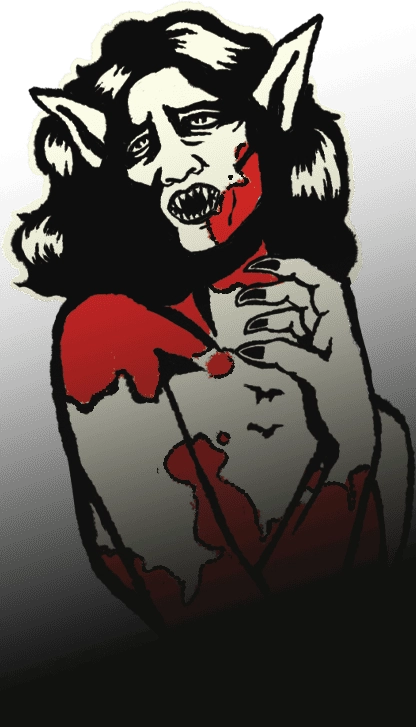
However, this is only in regards to a feminist standpoint. Unfortunately, the presence of these monsters doesn’t always mean liberation from gender stereotypes. Many representations are rooted in outdated and misogynistic ideas. The Philippines had been under Spanish colonial rule for hundreds of years, which has greatly influenced the very nature of Filipino culture and identity to this day. This history complicates our understanding of the female monster, suggesting that women who break away from tradition can be viewed as frightening. In the duration of the Spanish colonization, female mythological figures within Philippine folklore were given more demonic characteristics by Spaniards in order to further evangelize towards the indigenous locals. The presence of a monstrous woman is seen as not only improper, but horrific.
If repetitive and negative portrayals of female monsters dominate horror films, they can shape how society views femininity and masculinity. When female monsters are one-dimensional, they send a message that women who step outside traditional roles are something to be feared. This narrow view limits our understanding of womanhood. By exploring the topic of the monstrous feminine in Filipino horror, we want to spark richer conversations about the relationship between gender and horror in the Philippines. We want to encourage future creatives to rethink how they portray these women in their stories and to create truly engaging and unique narratives.